
For the better part of three decades, national FMCG brands dominated South African retail shelves with near-impunity. Big marketing budgets, established distribution networks, and consumer familiarity created a powerful barrier to entry for smaller, regional producers. But something has shifted — and independent retailers across South Africa, particularly in provinces like North West, Limpopo, and the Eastern Cape, are noticing it.
Local FMCG brands are quietly outperforming their national counterparts in categories where provenance, freshness, and community connection matter. Here's why — and what it means for your shelf strategy. For any retailer considering whether to become a stockist South Africa's regional suppliers offer a compelling alternative to the national playbook.
The Margin Equation Has Changed
National FMCG brands carry enormous overhead: national advertising campaigns, complex multi-tier distribution networks, listed broker fees, and the margin demands of centralised procurement through major retail groups. Independent retailers who stock national brands are, in effect, subsidising all of that overhead through thinner margins on each unit sold.
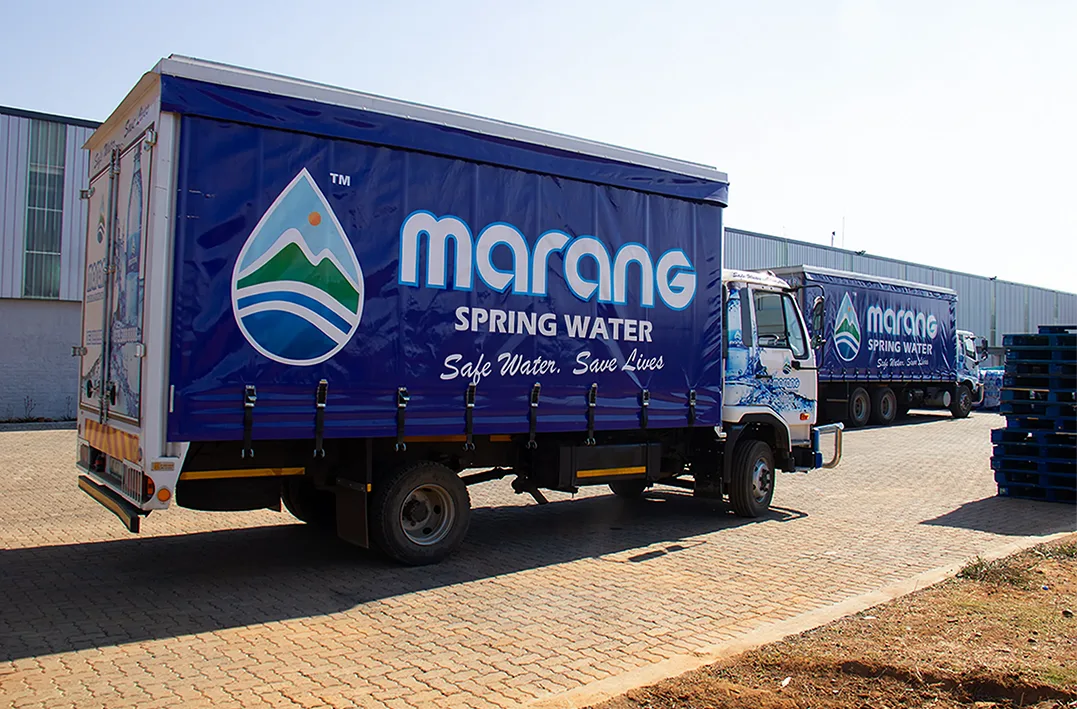
Local FMCG suppliers — particularly direct-to-retailer operations like Marang Group — operate leaner supply chains. Without the broker layers, without the national distribution infrastructure, and without the advertising spend baked into every product's cost price, local brands can offer genuinely competitive wholesale pricing while maintaining quality that national brands struggle to match in fresh categories.
The question isn't whether local brands can compete on price. In direct-to-retailer arrangements, they frequently offer better margin per unit than their national equivalents.
Freshness Is a Category Differentiator
In categories like eggs, fresh produce, and water, freshness is the single most powerful differentiator available to a retailer. A national egg brand travels through multiple distribution nodes before reaching your shelf — potentially weeks old by the time a customer picks it up. A local egg supplier delivering direct to your store two or three times a week ensures your customers are getting product that was on a farm days ago, not weeks.
Customers notice. Repeat purchase rates in fresh categories are strongly correlated with perceived freshness — and a retailer who consistently offers the freshest eggs in their area builds a reputation that no advertising budget can buy.
Local Provenance Resonates With Consumers
South African consumers — particularly in the post-2020 period — have shown a measurable shift toward local. Buying locally produced goods is increasingly understood as both an economic and ethical act: supporting local employment, reducing transport emissions, and keeping money circulating in the community. For retailers, stocking and marketing locally sourced products taps directly into this sentiment.
A simple shelf talker that says "From Rustenburg farms — delivered fresh this week" communicates something that no national brand can claim. It gives customers a reason to feel good about their purchase, and it gives them a reason to keep coming back to your store specifically.
Supply Chain Resilience and Responsive Service
The disruptions of recent years — from logistics bottlenecks to load-shedding impacts on cold chain management — exposed a structural weakness in extended national supply chains. A supplier based in Johannesburg serving Rustenburg adds distance, time, and vulnerability to every link in the chain.
A locally based FMCG supplier can respond faster to supply issues, substitute products at shorter notice, and communicate more proactively when something goes wrong. That responsiveness reduces the operational risk your business carries and means fewer stockouts during exactly the periods — long weekends, school holidays, local events — when Rustenburg's retail demand peaks.
Building a Community Brand Story
Independent retailers who align with strong local FMCG brands build something that national chains cannot offer: a genuine community brand story. When your store is known as the place where Rustenburg residents can find locally sourced Marang Still Water and North West farm fresh eggs, you've created a differentiated reason to shop with you rather than the nearest national chain.
This is particularly powerful in a region like Rustenburg, where the community has a strong sense of local identity rooted in the area's natural heritage — the Magaliesberg mountains, the farming traditions of the North West — and where supporting local is seen as an expression of that identity.
Become a Stockist South Africa: The Marang Group Partnership
Marang Group works directly with independent retailers, spaza shops, convenience stores, hotel groups, and food service businesses across North West Province. We are the FMCG supplier South Africa's independent retail sector has been looking for — one that offers direct delivery, competitive wholesale pricing, flexible order sizes, and the kind of personal service that national brands simply cannot provide at a regional level.
Whether you're looking to become a stockist of our Marang Still Water range, our farm-fresh farm fresh eggs, or both, our team can put together a supply proposal tailored to your volumes, delivery schedule, and payment preferences.
Become a Marang Group Stockist
Join the retailers, hotels, and food service businesses across North West Province who are growing their business with genuinely local FMCG supply.
Apply to Stock →The Shift Is Happening
The national brand dominance of the past isn't going anywhere overnight, but the competitive window for local FMCG brands has never been wider. Better margins, better freshness, stronger community connection, and a more resilient supply chain — these aren't marginal advantages. They're structural, and the retailers who recognise them now are building a category advantage that will compound for years to come.